Summary
When your parent's doctor recommends assisted living, she's identifying clinical changes that require professional support beyond what home care can safely provide. Understanding this recommendation helps families make informed decisions about the next chapter of care.
- Doctors track patterns families may miss—lab results, medication adherence, cognitive screening scores, and nutritional intake—before recommending a move to a care community
- Safety is the primary concern when a physician suggests assisted living, particularly regarding fall prevention, medication management, and nutrition
- A quality senior living community provides personalized care plans, chef-prepared meals, activities programming, housekeeping, and transportation—allowing you to shift from caregiver to family member
- Professional care teams document daily observations and share them regularly with your parent's doctor, ensuring medical decisions are backed by consistent, detailed records
- Your involvement remains important; many communities offer trial stays so your parent can experience the support firsthand before making a permanent decision
Hearing your parent's doctor say she needs more care than you can provide at home is a hard moment, especially after months or years of managing that care yourself. A physician says a parent needs care based on clinical signs you may not see day to day: changes in weight, coordination, medication adherence, or cognitive function that point to risks a family alone can't safely manage around the clock. It's not a judgment on how well you've cared for her. It's a sign her needs have grown beyond what home care can cover, and it's worth understanding what that recommendation actually means for her next step.
Why a Physician Says a Parent Needs Care
Doctors track patterns families often miss between visits: lab results, blood pressure trends, cognitive screening scores, and how well medications are being taken. A medical recommendation for senior living usually comes after ruling out temporary or treatable causes, once the physician is confident that professional support, not just more family effort, will improve her health and quality of life. These recommendations tend to point toward risks like falls, missed or incorrect medications, poor nutrition, or growing isolation.
When a Doctor Suggests a Care Community: Safety Comes First
Safety is usually the driving factor when a doctor suggests a care community. Warning signs like frequent falls, wandering, skipped meals, or missed medications become far riskier once a parent is living alone or a family can't provide supervision at all hours. A well-designed community removes many of those hazards before they become emergencies:
- Grab bars and emergency call systems built into every apartment home
- Non-slip flooring and thoughtfully designed spaces that reduce fall risk
- Associates trained in fall prevention and quick emergency response
Catching one fall or medication error before it happens does more for a parent's long-term health than reacting after the fact.
What This Looks Like at Cameron Hall of Canton
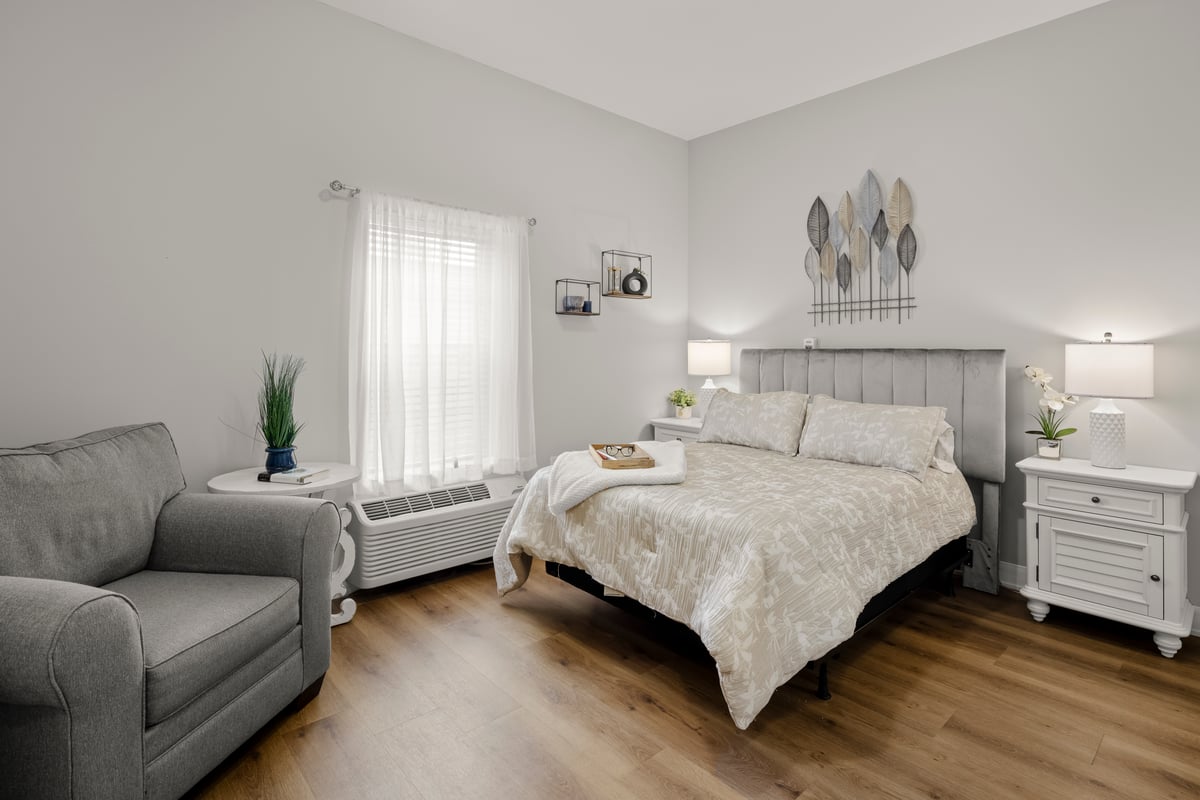
Cameron Hall of Canton, located on Marietta Highway in Canton, offers Assisted Living and GLOW® Memory Care in a setting built around comfort and connection rather than a clinical feel. For families weighing a healthcare provider's assisted living referral, here's what daily support actually includes:
- Personalized care plans built around each resident's medication schedule, mobility needs, and daily routine
- Chef-prepared meals served family-style, with attention to special diets and individual dietary needs
- A full activities calendar, run by our Celebrations Activities Directors, ranging from art classes and live music to lectures and games
- Weekly housekeeping and linen service, so families and residents aren't managing chores on top of everything else
- Scheduled transportation for appointments and outings around Canton
For residents in GLOW® Memory Care, our community's enclosed courtyard and secure, easy-to-navigate layout are designed specifically to support residents living with Alzheimer's or dementia, with programming built around safety, familiarity, and a sense of purpose rather than a generic activity schedule.
How Our Associates Partner With Your Parent's Doctor
One advantage of moving from home care to a senior living community is the ongoing relationship between our care team and your parent's physician. Associates document daily observations, appetite, mood, mobility, and sleep that families might not notice or might chalk up to normal aging. That information gets shared regularly with her doctor, so a doctor appointment about a parent's care is backed by consistent, detailed records rather than what's remembered from a short visit at home.
Your Role Doesn't Shrink, It Changes
A doctor recommends assisted living, not a step back from your parent's life. It's a shift in what your role looks like. Once medication schedules, meals, and daily safety checks are handled by trained associates, you're free to spend time with her as a daughter, son, or spouse again, not as a caregiver managing a checklist. Many families find their relationship actually improves once that pressure lifts. Cameron Hall of Canton welcomes family involvement in care planning and in daily life here, because the goal is a partnership between what we know professionally and what you know about her.
Taking the Next Step
If your parent's doctor has recommended assisted living or memory care, bring her medical records and current medication list when you tour a community, and ask directly how the team would address the specific concerns her physician raised. Many communities, including ours, offer short trial stays so she can experience the support firsthand before any permanent decision is made.
A doctor's recommendation is often the clearest sign it's time to look seriously at what more support could mean for her health, safety, and day-to-day life. Schedule a tour today and see what that support looks like at Cameron Hall of Canton.