When a family member receives a diagnosis of Alzheimer’s or another form of dementia, the path forward can feel uncertain. Learning about memory care in Canton options can help families better understand what lies ahead and feel more prepared to make thoughtful decisions.
As care needs evolve, understanding the differences between available options becomes essential. At Cameron Hall of Canton, Memory Care is intentionally structured for individuals experiencing cognitive changes, offering consistent routines, personalized attention, and a secure environment that promotes comfort and familiarity each day.
This guide will help you better understand what is memory care and how it can support both individuals and families at every stage of the journey.
What Is Memory Care and Who Benefits
Families often begin exploring memory care when care needs go beyond what can be managed at home. This may include:
- Wandering or safety concerns that require a secure environment
- Increased difficulty with daily routines such as dressing or meals
- Changes in behavior, confusion, or disorientation
- A need for consistent structure and familiarity throughout the day
Memory care is a specialized senior living option for individuals living with Alzheimer’s disease or other forms of dementia. It focuses on safety, structure, and individualized care approaches that reflect each person’s abilities and preferences. At Cameron Hall of Canton, this approach is enhanced through GLOW℠ Memory Care, a program designed to create engaging, structured experiences tailored to each resident.
Understanding dementia care planning early can make the transition smoother and help families feel more prepared for the future.
Specialized Programming and Daily Engagement
A key part of memory care benefits is the structured, engaging daily experience. Programs are designed to meet residents where they are cognitively, helping them stay connected and involved.
At Cameron Hall of Canton, daily life includes opportunities that reflect personal interests and past experiences, creating a sense of familiarity and comfort. Examples are:
- Music and creative programs that encourage self-expression
- Reminiscence programs that connect to personal history
- Sensory-based experiences that promote calm and focus
- Small-group social interactions that encourage connection
These structured routines can help reduce anxiety and create a predictable rhythm, which is especially important for individuals living with memory loss
Trained Care Teams and Personalized Assistance
Effective Alzheimer support depends on knowledgeable, compassionate care teams who understand how cognitive conditions affect communication and behavior. Care teams in memory vare settings are trained to:
- Communicate clearly and calmly
- Recognize changes in behavior and respond appropriately
- Provide guidance with daily routines while encouraging independence
Personalized care plans ensure each resident receives the right level of assistance, which may include help with dressing, grooming, dining, and overall wellness monitoring. This approach to Alzheimer's disease care focuses on dignity, comfort, and consistency.
Safe and Purposeful Environment Design
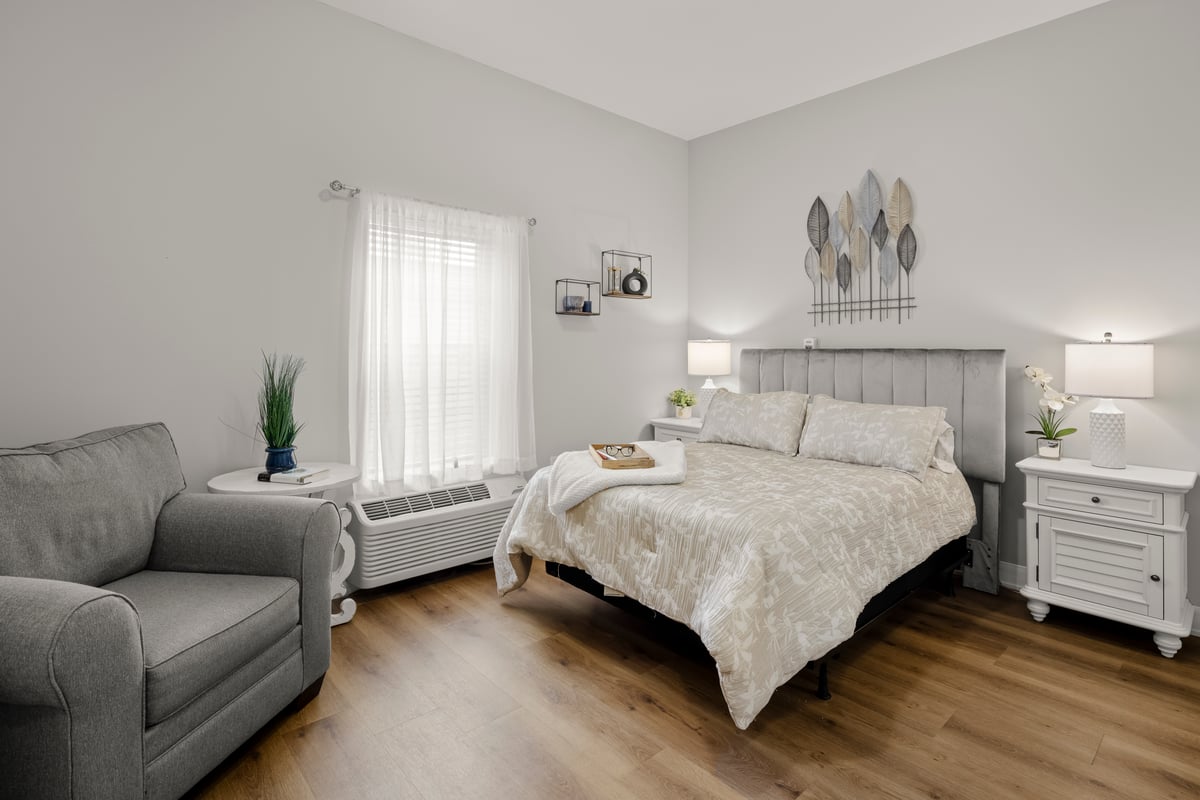
The physical environment also plays a major role in memory care. Communities like Cameron Hall of Canton provide living and shared spaces that are designed to reduce confusion and promote ease of movement for individuals living with memory loss. Features such as secure layouts allow residents to move freely within safe boundaries, while clear pathways and visual cues help with navigation throughout the community.
Comfortable common areas are also made to feel familiar and calm, creating a more relaxed daily experience. The secure outdoor spaces provide opportunities to enjoy fresh air and time outside without compromising safety. Together, these design elements help individuals feel more at ease while maintaining as much independence as possible.
Family Involvement and Support Resources
Quality memory care considers both the reisdents and their families. Staying informed and involved helps families make confident decisions, adjust care plans as needs change, and maintain a strong sense of connection with their family member. At Cameron Hall of Canton, families are encouraged to remain engaged through consistent communication and collaboration.
Families can expect regular updates about daily experiences and any changes in needs, along with opportunities to participate in care planning discussions. Educational resources about dementia progression are often available, helping families better understand what to expect over time. The community also provides welcoming spaces for visits, making it easier to spend quality time together in a comfortable setting.
Making the Decision: When to Consider Memory Care
Recognizing the right time to transition to Memory Care can be challenging. Families often begin to notice changes in safety, behavior, or overall well-being that signal a need for additional guidance.
These changes may include difficulty managing medications or following established routines, increased confusion even in familiar environments, or noticeable shifts in mood and personality. Some individuals may also experience challenges completing everyday tasks such as preparing meals or maintaining personal hygiene.
Exploring memory care communities in Canton early allows families to plan thoughtfully, ask questions, and find the right fit before needs become more urgent.
Finding the Right Memory Care in Canton
Choosing memory care is a significant step, but it can also bring peace of mind. With the right environment, individuals living with memory loss can experience comfort, connection, and consistency each day.
Cameron Hall of Canton offers a setting where care is personalized, routines are intentional, and families are included every step of the way.
Schedule a tour to see how GLOW℠ Memory Care at Cameron Hall of Canton can support your family.